Want deeper explanations? Visit the CFDR Digital section.
Modern life runs through screens. How you manage technology now shapes your attention, security, income, and long-term capability. This page answers common digital-life questions using the CFDR framework, giving you practical clarity before going deeper.
Digital Awareness
Q&A
Why does my phone feel addictive?
Your phone feels addictive because apps are designed to exploit attention and reward systems. Variable notifications, endless scroll, and social feedback loops trigger dopamine-driven checking behaviour. CFDR focuses on redesigning digital environments rather than relying on self-control.
How do I stop mindless scrolling?
You stop mindless scrolling by removing frictionless access, not by forcing restraint. Simple changes like disabling notifications, greyscale screens, and app limits reduce impulsive checking. Design beats willpower.
Does technology reduce attention span?
Technology reduces attention span when digital environments train constant task-switching. Frequent interruptions weaken deep focus ability over time. CFDR rebuilds attention by creating distraction-free zones and structured focus sessions.
How important is digital security for everyday people?
Digital security is important because everyday people are the primary target of scams, data leaks, and identity theft. Basic hygiene like strong passwords, two-factor authentication, and software updates prevent most common attacks.
What is digital hygiene?
Digital hygiene is the practice of maintaining clean, safe, and intentional digital habits. This includes managing passwords, limiting data sharing, controlling notifications, and organising digital spaces. Small habits prevent large problems.
How do I protect myself from online scams?
You protect yourself from online scams by slowing down decisions and verifying sources. Most scams succeed through urgency and emotional manipulation. CFDR teaches simple verification habits that prevent costly mistakes.
Why does social media affect my mood?
Social media affects mood by triggering comparison, validation-seeking, and overstimulation. Curated feeds distort reality and reward emotional reactions. CFDR promotes intentional consumption instead of passive exposure.
Should I delete social media?
You do not need to delete social media, but you do need to control how you use it. Used intentionally, social platforms can educate and connect. Used passively, they consume attention and emotional energy.
How can I use technology to improve my life?
You use technology to improve your life by treating tools as servants, not masters. Calendars, trackers, automation, and learning platforms can support consistency when chosen deliberately. CFDR focuses on tool selection with purpose.
Why is AI becoming important for everyday skills?
AI is becoming important because it increases capability, speed, and access to knowledge. Understanding how to use AI tools is becoming a basic digital literacy skill, similar to using search engines or email.
How do I learn tech skills without feeling overwhelmed?
You learn tech skills by starting with simple, practical use-cases instead of abstract theory. Small wins build confidence. CFDR teaches hands-on application over technical depth.
What does CFDR mean by digital capability?
Digital capability means being able to use technology safely, intentionally, and productively. It includes focus control, security awareness, tool mastery, and learning adaptability. The goal is not to become a tech expert, but a capable digital operator.
Tell me more?
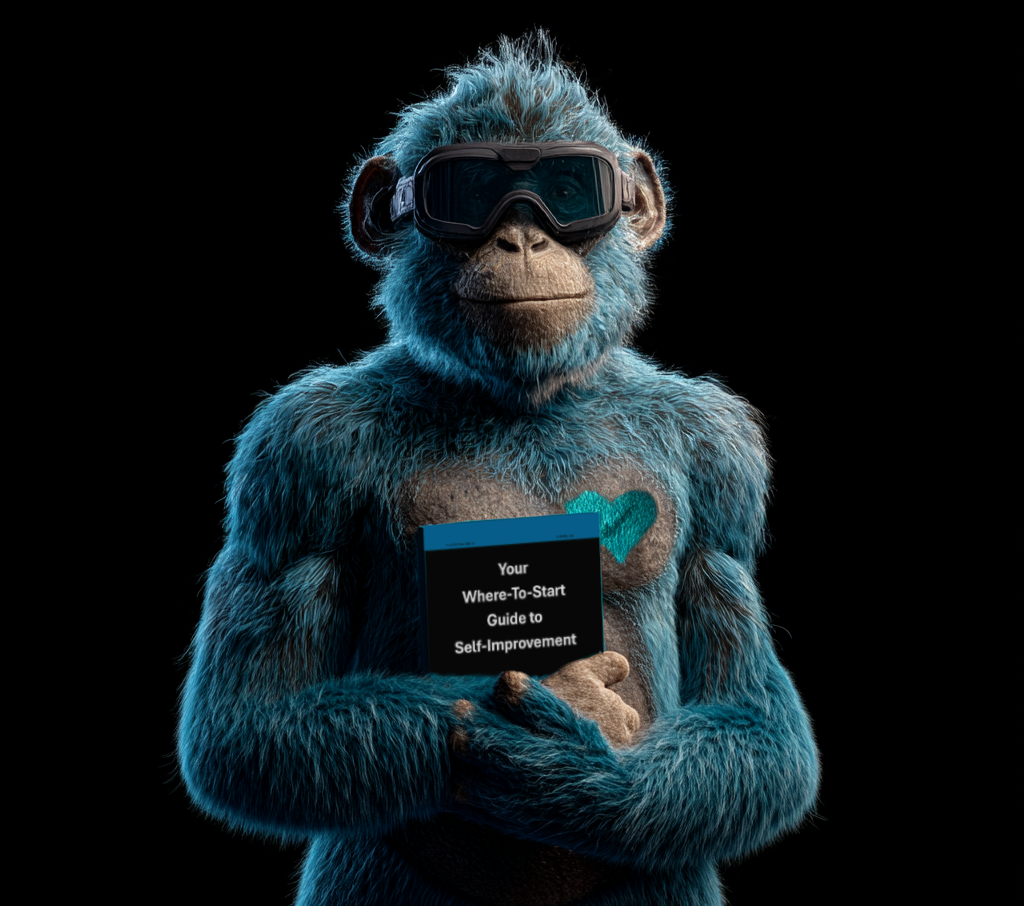
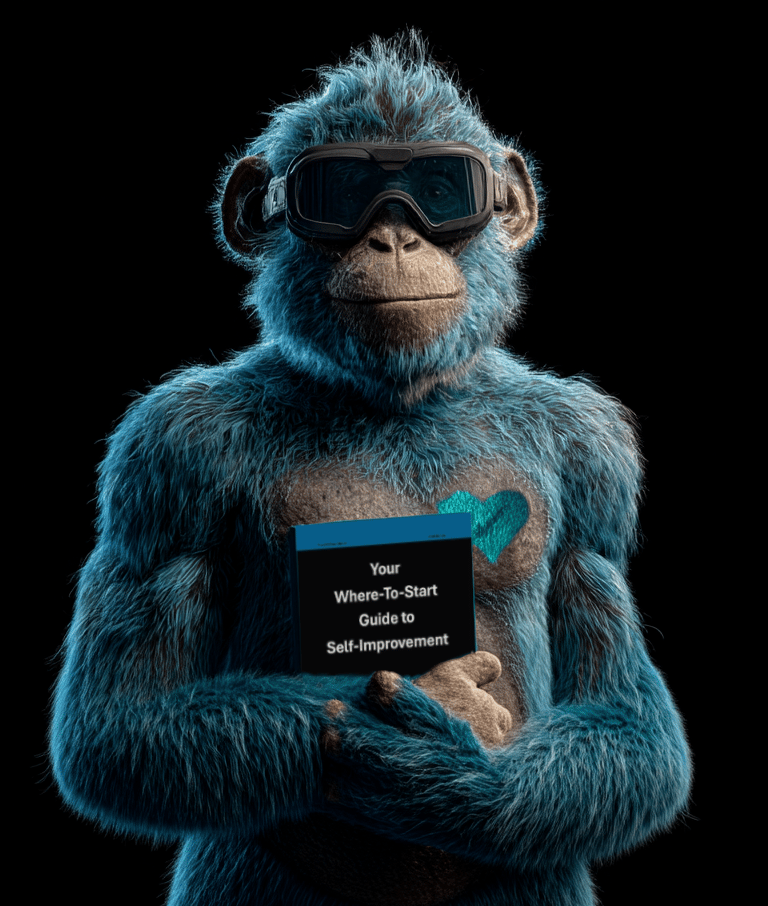
If these answers resonate, the CFDR handbook expands each topic into practical guidance for building focus, security, and digital capability in a technology-driven world. Deep dive into Your Where-To-Start Guide to Self-Improvement, or explore the concepts at
DisciplineRewired.com/digital-awareness-self-improvement.
Audio, Kindle, paperback and hardcover versions available now! -- 50% off the audiobook in the CFDR shop (for a limited time only).


Upgrade your habits. Redesign your life.
Get in Touch.


Subscribe for early access.
Connect.
Reach out for support or questions anytime:
© 2026. All rights reserved.