
Want deeper explanations? Visit the CFDR Mind section.
If you’re starting self-improvement and want direct, practical answers about mindset, discipline, and consistency, explore the Cyber Fitness - Discipline Rewired (CFDR) Mindset Development Q&A page.
Mindset Development
Q&A
What is the best place to start with self-improvement?
The best place to start with self-improvement is understanding how you respond to effort and discomfort. If you don’t understand your own patterns under pressure, goals become wishful thinking. Cyber Fitness - Discipline Rewired (CFDR) begins with mindset because behaviour follows interpretation, not intention.
Why does motivation fail?
Motivation fails because it is an emotional state, not a reliable operating system. It rises when things feel exciting and disappears when friction appears. Discipline is built as a structure to function when motivation doesn’t show up.
What is discipline, really?
Discipline is the ability to follow through on small actions regardless of mood. It is not punishment or rigidity. In CFDR, discipline is treated as a personal system that removes decision-fatigue and emotional negotiation.
How do I build discipline without relying on willpower?
You build discipline by reducing friction, not by forcing effort. Small repeatable actions, predictable routines, and clear triggers create consistency. Willpower is a spark. Systems keep the fire burning.
Why do habits fail after a few weeks?
Habits fail when they rely on excitement instead of structure. Early progress feels rewarding. Then life interferes. Without simple fallback rules, habits collapse under normal human inconsistency.
Why do I lose control at night?
You lose control at night because mental energy drops and impulse systems take over. This is not a character flaw. It is predictable biology. CFDR designs evening environments that make good decisions easier than bad ones.
How long does it take to build a habit?
A habit takes as long as it needs to become automatic under real-life conditions. There is no universal number. Consistency, simplicity, and low friction matter more than speed. Slow habits that stick beat fast habits that break.
Should I focus on goals or systems?
You should use goals for direction and systems for execution. Goals tell you where to go. Systems determine whether you actually get there. CFDR prioritises systems because consistency beats ambition.
Why does mindset matter before action?
Mindset shapes how you interpret discomfort, failure, and effort. If effort feels like punishment, you avoid it. If effort feels like progress, you repeat it. Action follows meaning.
How do I stay consistent when life gets busy?
You stay consistent by scaling habits down, not by quitting them. Busy periods are normal. CFDR uses minimum viable actions so progress continues even when life is messy.
What does CFDR mean by “discipline is architecture”?
Discipline is architecture means you build structures that guide behaviour automatically. Instead of fighting yourself daily, you design routines, environments, and rules that make consistency the default. You don’t rely on motivation. You rely on design.
Tell me more?
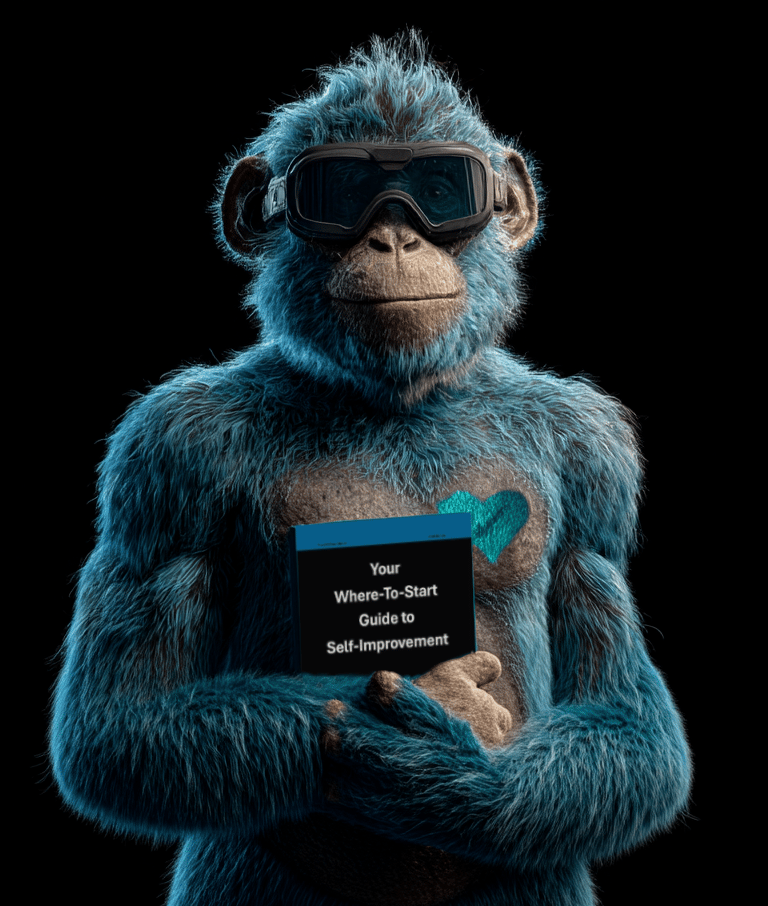
If these answers resonate, the CFDR handbook expands each of these ideas into a practical, step-by-step framework for rebuilding discipline from the ground up. Deep dive into Your Where-To-Start Guide to Self-Improvement, or explore the concepts at
DisciplineRewired.com/mind-self-improvement.
Audio, Kindle, paperback and hardcover versions available now! -- 50% off the audiobook in the CFDR shop (for a limited time only).



Upgrade your habits. Redesign your life.
Get in Touch.


Subscribe for early access.
Connect.
Reach out for support or questions anytime:
© 2026. All rights reserved.