
Want deeper explanations? Visit the CFDR Body section.
Your body is the foundation everything else stands on. Energy, mood, focus, and discipline all trace back to how well you move, eat, and recover. This page answers the most common body and fitness questions using the CFDR framework, giving you practical clarity before you dive deeper.
Physical Improvement
Q&A
Why does the body matter for self-improvement?
The body matters because mental discipline collapses without physical stability. Low energy, poor sleep, and weak physical capacity reduce your ability to follow through on any plan. CFDR treats the body as the foundation layer of personal change.
What is the best way to start getting fit?
The best way to start getting fit is to build consistency before intensity. Short daily movement, simple routines, and low-pressure sessions create momentum. Once consistency exists, performance follows naturally.
Do I need to go to a gym to get in shape?
You do not need a gym to get in shape, but you do need regular resistance and movement. Bodyweight training, walking, and basic equipment can build strong foundations. Gyms simply make progression easier later.
Why do workout plans fail after a few weeks?
Workout plans fail when they demand perfection instead of flexibility. Missed sessions create guilt, guilt creates avoidance, and the plan collapses. CFDR uses minimum viable training so progress continues under real life conditions.
How important is strength training?
Strength training is essential because muscle supports metabolism, posture, joint health, and long-term mobility. It also builds psychological confidence through measurable progress. CFDR prioritises strength as the anchor of physical training.
Should I focus on cardio or strength first?
You should build basic strength first, then layer cardio on top. Strength creates structural resilience. Cardio improves endurance. Together they form a balanced base, but strength prevents injury when activity increases.
Why is walking underrated for fitness?
Walking is underrated because it feels too easy to be effective. Daily walking improves circulation, joint health, mood, and recovery. It also supports fat loss and stress regulation without exhausting the nervous system.
How does nutrition affect discipline?
Nutrition affects discipline by stabilising energy, mood, and impulse control. Blood sugar crashes, dehydration, and poor nutrient intake increase irritability and fatigue. Consistent eating patterns support consistent behaviour.
Why do diets fail?
Diets fail when they rely on restriction instead of sustainable habits. Extreme rules break under social life, stress, or hunger. CFDR builds eating patterns that work in real environments, not controlled experiments.
How much sleep do I actually need?
Most adults need between seven and nine hours of sleep for optimal recovery. Sleep regulates hormones, memory, impulse control, and physical repair. In CFDR, sleep is treated as performance infrastructure, not a luxury.
Why is recovery as important as training?
Recovery is important because adaptation happens after stress, not during it. Training breaks tissue down. Recovery rebuilds it stronger. Without recovery, progress stalls and injury risk rises.
How can I approach long-term health?
You can approach long-term health by focusing on sustainability over extremes. Simple movement, strength progression, reasonable nutrition, and consistent sleep build bodies that last. The goal is not short-term transformation, but durable capability.
Tell me more?
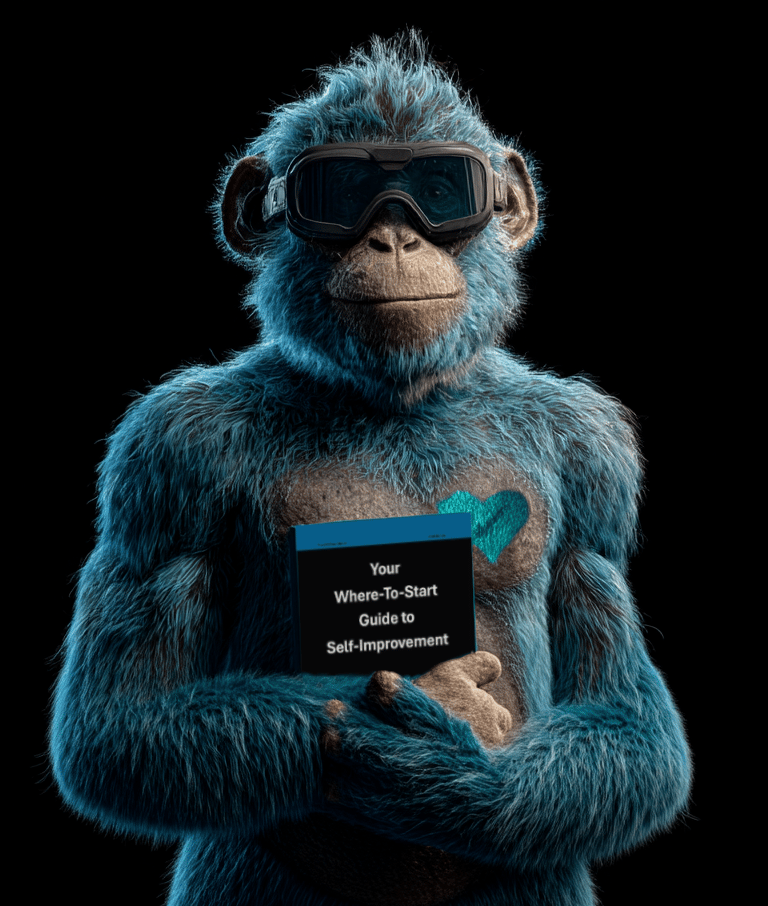
If these answers resonate, the CFDR handbook expands each topic into practical, real-world guidance for building a strong, capable body that supports every other area of your life. Deep dive into Your Where-To-Start Guide to Self-Improvement, or explore the concepts at
DisciplineRewired.com/body-self-improvement.
Audio, Kindle, paperback and hardcover versions available now! -- 50% off the audiobook in the CFDR shop (for a limited time only).



Upgrade your habits. Redesign your life.
Get in Touch.


Subscribe for early access.
Connect.
Reach out for support or questions anytime:
© 2026. All rights reserved.